Dangers of living in Forested Neighborhoods & Communities in the PNW
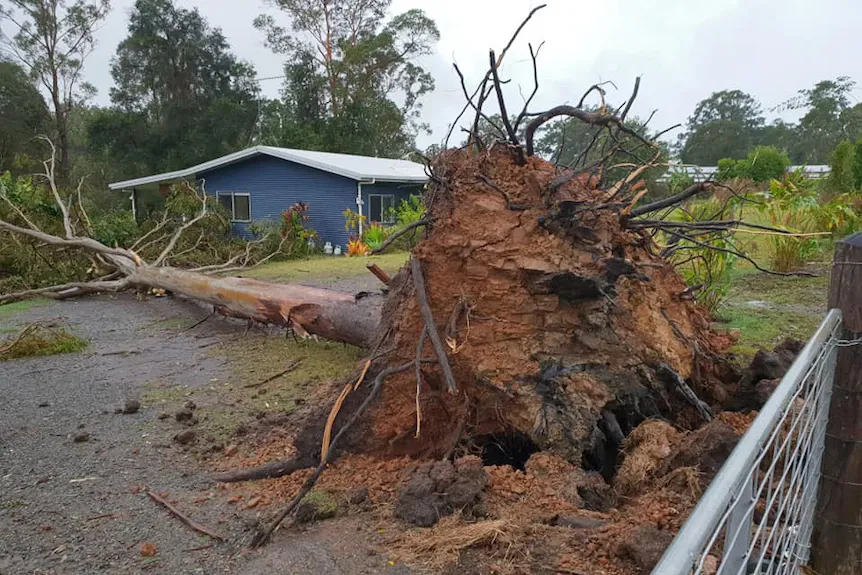
Living in the Pacific Northwest’s lush, tree-lined neighborhoods is a dream for many homeowners — but that canopy comes with a real set of risks. Heavy winter storms, saturated soils, windthrow, ice and the region’s large conifers can combine to create sudden tree strikes (whole trees or large limbs falling onto homes, garages, cars, fences and power lines). When a tree strike happens, the consequences are more than branches on a roof — they can be expensive, disruptive, and emotionally draining. Below is a clear look at the crisis homeowners face, why insurance and reimbursement can be complicated, and what steps you should take to protect your home and peace of mind.
The monetary shock: repairs, removal, and hidden costs
If a tree falls on an insured structure (roof, home, garage), most standard homeowners policies will pay to repair or rebuild the structure — sometimes up to the dwelling limit on your policy — but you’ll still be on the hook for your deductible. Insurers often limit how much they’ll pay for tree removal/debris separately (commonly a few hundred to a thousand dollars), so the cost of removing a large trunk and repairing structural damage can add up very quickly. If a vehicle is damaged, that’s typically handled by auto comprehensive coverage. III+1
Major storm damage can create six-figure repair bills (roof replacement, structural repairs, electrical/plumbing, permitting and remediation). Even if the insurance pays to repair, homeowners commonly face out-of-pocket expenses for things insurers don’t cover — landscaping, replacing non-insured items, or removing a dangerously leaning tree that hasn’t yet damaged a structure. In addition, if a fallen tree doesn’t hit a structure, many policies will not cover debris removal at all — meaning thousands of dollars of hauling and stump removal can be your responsibility. NerdWallet+1
Displacement, stress, and “loss of use”
When a home is structurally unsafe after a tree strike, you may have to evacuate for repairs. Most homeowner policies include Additional Living Expenses (ALE) or “loss of use” coverage to pay for temporary housing, meals and related costs — but only up to policy limits and only while the home is uninhabitable. Filing and getting approval for ALE can be slow; insurers may dispute the length of time your home is truly uninhabitable or push back on what counts as “reasonable” living expenses. That’s expensive and stressful: many families face weeks or months in hotels, rentals or with relatives while paying insurance deductibles, managing contractors, and dealing with repairs. For The Public Adjusters+1
FEMA and disaster assistance programs generally won’t pay for losses that an insurance policy should cover, so you cannot rely on federal aid as a substitute for private insurance in most cases. That means the timeline and thoroughness of insurer reimbursement is crucial to your financial and housing stability after a major tree strike. FEMA+1
The non-monetary toll: stress, time and documentation battles
Beyond dollars, there’s a huge mental and administrative load. Homeowners commonly report:
-
Persistent stress and sleep disruption after hazardous trees are observed nearby.
-
Hours spent documenting damage, obtaining contractor bids, and disputing denials.
-
Strained neighbor relationships if the fallen tree originated next door and liability is in question.
-
Delays when municipalities require permits for removal or repair (a real issue in some PNW cities). Consumer Reports
If an insurer suspects the tree fell due to neglect (rot, disease or lack of maintenance), they may reduce or deny coverage. That’s why keeping maintenance records, arborist inspections and before/after photos is essential — you’ll need them when filing claims or responding to requests for proof of care.
Why trees fail in the PNW and what that means for homeowners
Pacific Northwest forests and urban trees are affected by unique factors: large conifers, shallow root systems on saturated soils, wind storms, ice, root disease and historical land development patterns. The USDA Forest Service and arboricultural studies note that hazard trees can fail without obvious signs, and storms can exacerbate latent defects. Proactive hazard identification, trimming or removal — done by qualified professionals — reduces the chance of catastrophic failure. US Forest Service+1
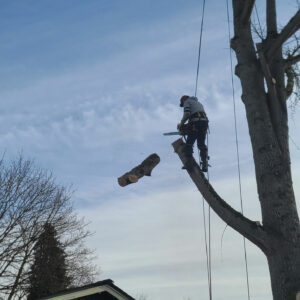
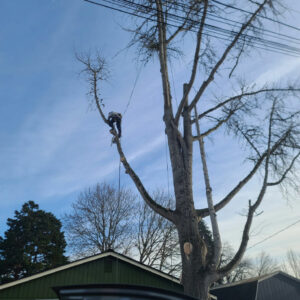
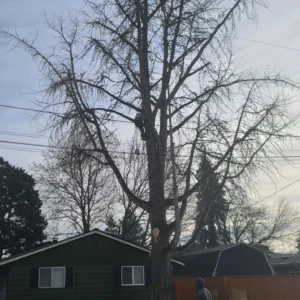
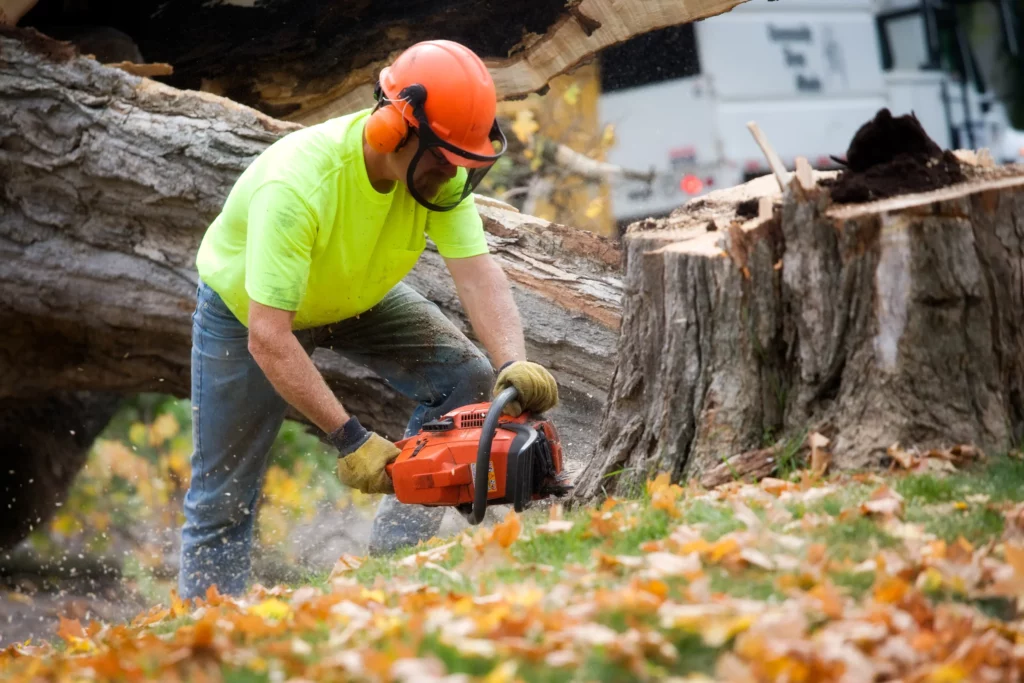
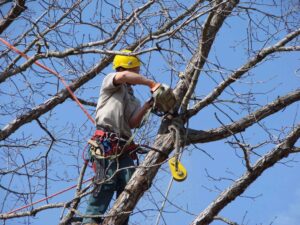
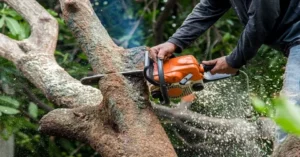
Key preventative services include professional tree-felling/removal, targeted tree-trimming and tree-limbing, and specialist work like skirting (removing lower branches to reduce ladder fuel near structures) and crowning (selective reduction of crown density). These treatments reduce wind sail and weight in winter storms and can be the difference between minor limb loss and a full tree strike.
Practical steps if you live in a forested neighborhood
-
Schedule an annual inspection with a certified arborist (document the report).
-
Prioritize hazard trees — don’t delay removal if an arborist flags a likely failure.
-
Document everything: invoices, photos, emails to neighbors or municipalities, contractor bids. This helps with insurer claims and liability questions.
-
Know your policy limits (ALE, tree removal limits, dwelling limits) and keep a copy in a safe place. Insurers often limit debris removal reimbursements; know those caps. III+1
-
If a tree falls, call your insurer promptly, take comprehensive photos, keep receipts for temporary living expenses, and consider hiring a public adjuster if the insurer delays or undervalues your claim. For The Public Adjusters+1
Final word — prevention pays
The PNW’s forested charm comes with responsibilities. Proactive tree care (felling, trimming, limbing, skirting, crowning) is an investment that reduces the odds of catastrophic damage, lowers the chance of difficult insurance disputes, and — importantly — preserves your family’s safety and housing stability. If you live in a forested community, treat tree risk management like home maintenance: schedule inspections, keep records, and hire reputable, licensed professionals to do the work before a crisis forces your hand.
Sources & further reading (key references): US Forest Service on hazard trees; Insurance Information Institute guidance on fallen trees and coverage limits; Allstate on repair coverage; Consumer Action / FEMA guidance on disaster assistance and ALE; WA State insurance resources on winter storms and tree removal. Insurance Commissioner of Washington+4US Forest Service+4III+4
At Limback Tree Services, we know Enumclaw’s neighborhoods, tree species, and seasonal patterns. We’re a local, licensed, and insured team you can count on for everything from pruning to emergency tree removal.
Call Limback Tree Services Today
Don’t wait until your tree problem becomes a crisis. Whether you’re concerned about a leaning tree, overgrown branches, or a forgotten stump, we’re here to help.
 Serving Puyallup, Sumner, Bonney Lake, Enumclaw, and nearby communities
 Call us at
  Visit https://limbacktreeservices.com/
 Email us at limbacktree@gmail.com
Limback Tree Services—Protecting the Puget Sound’s Natural Beauty, One Tree at a Time.