Mitigating Storm Damage Before (and After) Winter Storms
Winter storms—heavy wet snow, freezing rain, and strong winds—are a top cause of tree damage in neighborhoods. When trees fail they can take out roofs, vehicles, fences, power lines, and create expensive cleanup and safety headaches. The good news: many failures are preventable with the right preventative care and the right post-storm response. Below is an actionable, keyword-rich guide for homeowners who want to reduce risk and know when to call professional tree services for tree-trimming, tree-limbing, skirting, crowning, removal, or stump grinding.
Before winter: reduce risk with proactive tree care
-
Schedule an inspection with a certified arborist. A pro can identify hazard trees, decay, weak codominant leaders, or poor structure that make a tree likely to fail in heavy snow, ice, or wind. Public forestry guidance recommends consulting arborists or foresters when you suspect structural defects. US Forest Service+1
-
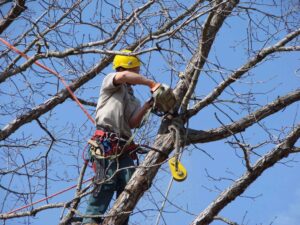
Prune correctly and seasonally (tree-trimming & tree-limbing). Proper pruning—done at the right time of year—reduces wind sail and removes weak branches. Dormant-season pruning and targeted thinning help make trees more storm resistant. These are core services offered by professional tree companies. Arbor Day Foundation+1
-
Use structural pruning, not topping (avoid bad crowning practices). Topping or improper “crowning” creates regrowth with weak attachments that break easily in storms. Instead, ask for structural pruning that preserves a strong central leader and balanced branch architecture.
-
Choose resilient species and smart planting locations. If you’re adding trees, plant species suited to your regional climate and away from utilities and the house. Urban forestry guidance recommends species selection and grouping to increase overall resilience. South Carolina Forestry Commission
-
Keep trees healthy year-round. Proper mulching, watering during dry spells, disease and pest management, and avoiding root compaction all make trees stronger heading into winter. Healthy trees survive storms far better than stressed trees. Arbor Day Foundation
Keywords: tree services, tree-trimming, tree-limbing, crowning, skirting, pruning, certified arborist.
Immediate actions during and right after a storm
-
Stay safe—keep distance from downed branches and power lines. Never approach a downed limb that’s in contact with a power line. Utilities and emergency services should be contacted first. National weather and emergency guidance warns that ice and wind can bring down both trees and lines. National Weather Service+1
-
Perform a visual, ground-level assessment only. After the storm, look for uprooted trees, split trunks, and large hanging limbs. If you see a tree leaning more than 30°, split trunks, or major root plate heave, treat it as hazardous and call professionals. Several university extension and forestry services provide homeowner checklists for storm damage assessment. UMass Amherst+1
-
Document damage for insurance and assistance. Photograph fallen trees, roof impacts, and property damage. FEMA guidance explains when disaster assistance or debris removal aid might apply and what documentation helps in claims. FEMA+1
Keywords: storm damage, tree removal, stump grinding, emergency tree services, insurance claims.
How professionals approach post-storm work
-
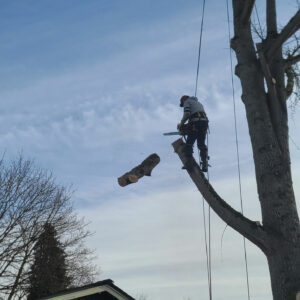
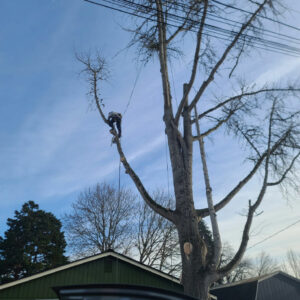
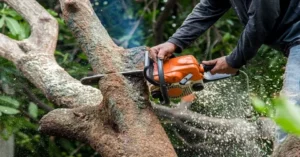
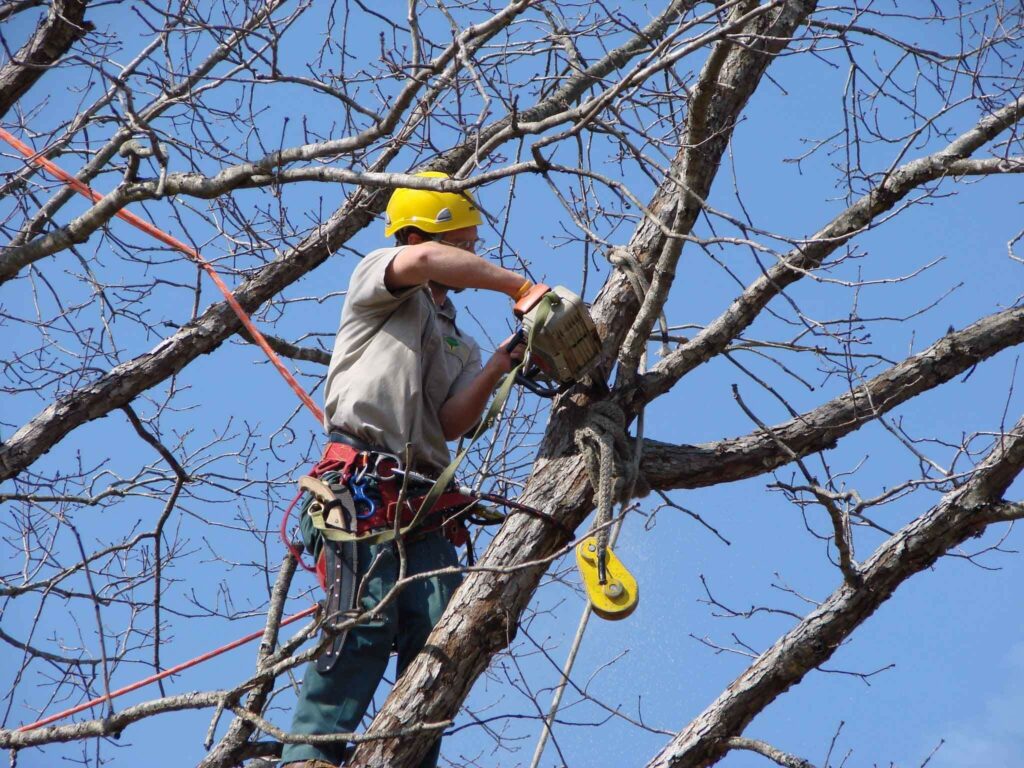
Emergency tree services: Certified crews can make trees safe by removing hanging limbs, performing controlled cuts to avoid further damage, and clearing access to structures. This is urgent work that should be handled by pros with the right equipment and insurance.
-
Assessment vs. removal: Not every damaged tree needs removal. Arborists categorize trees into keepers (repairable), candidates for corrective pruning (minor damage), or removals (uprooted, split, or unsafe near structures). University fact sheets give decision frameworks homeowners can use. UMass Amherst+1
-
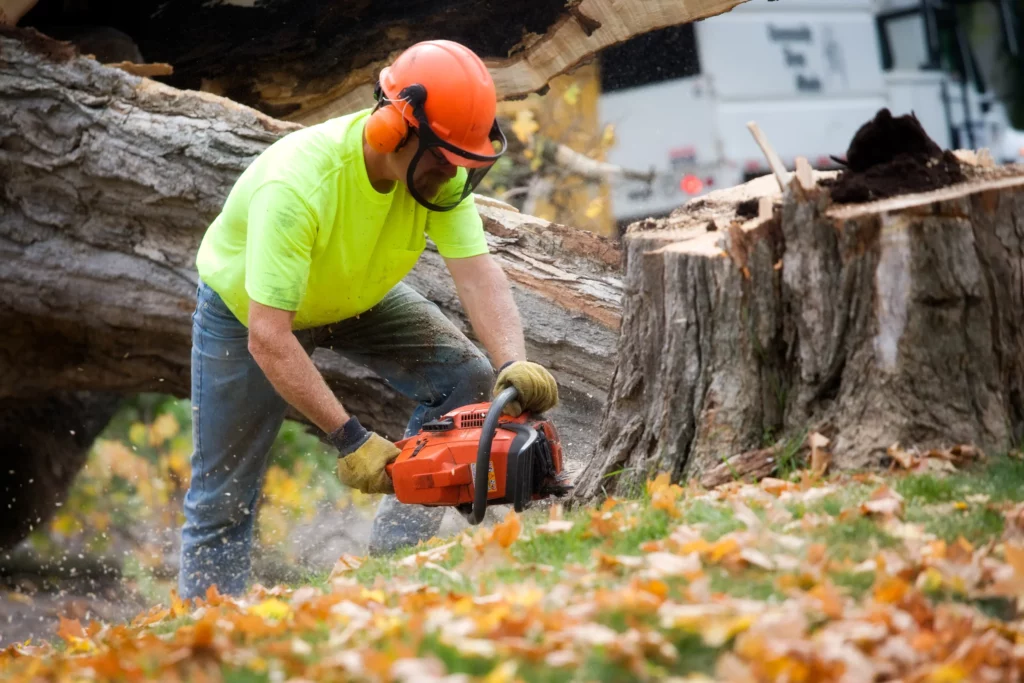
Debris removal & stump grinding: Once safety work is complete, many homeowners choose stump grinding to remove trip hazards and prevent regrowth; reputable tree services will provide hauling and stump grinding options.
Keywords: emergency tree work, debris removal, stump grinding, arborist assessment.
Insurance, FEMA, and public assistance—what to know
-
Check your homeowner’s policy: Many policies cover storm damage to structures and trees when they fall on insured property (house, garage), but coverage rules vary for trees that fall but don’t damage insured structures. Keep clear photos and contractor estimates for claims. FEMA and insurance resources explain eligibility and documentation best practices. FEMA+1
-
FEMA debris removal: FEMA assistance for private debris removal is limited and has eligibility criteria (e.g., hazard to accessibility). If you expect to seek disaster assistance, follow FEMA’s documentation guidance and coordinate with local emergency management. emilms.fema.gov+1
Keywords: insurance claims, FEMA debris removal, homeowner policy, documentation.
Long-term planning: make your property storm-resilient
-
Create a tree management plan with a certified arborist: schedule regular tree-trimming, prioritize risky trees for removal before storms, and plan replacements with resilient species.
-
Neighborhood and community planning: Community canopy and storm mitigation planning reduces large-scale losses—many local forest services publish resilience guides for municipalities and neighborhood groups. South Carolina Forestry Commission+1
Keywords: tree management plan, urban forestry, community resilience.
Quick checklist (before/after winter storms)
Before: inspect, prune, remove dead wood, plant smart, mulch and water.
During/after: stay safe, photograph damage, call utility companies if power lines are involved, call certified tree services for hazard mitigation and clean-up.
Follow-up: document for insurance, consider stump grinding and long-term replacements.
At Limback Tree Services, we know Sumner’s neighborhoods, tree species, and seasonal patterns. We’re a local, licensed, and insured team you can count on for everything from pruning to emergency tree removal.
Call Limback Tree Services Today
Don’t wait until your tree problem becomes a crisis. Whether you’re concerned about a leaning tree, overgrown branches, or a forgotten stump, we’re here to help.
 Serving Puyallup, Sumner, Bonney Lake, Enumclaw, and nearby communities
 Call us at
  Visit https://limbacktreeservices.com/
 Email us at limbacktree@gmail.com
Limback Tree Services—Protecting Puyallup’s Natural Beauty, One Tree at a Time.